- Prevents and treats wound infections
- Safe removal of bacteria, fungi and endotoxins
- Effective against most common resistant pathogens

Cutimed® Siltec® Sorbact® B Sacrum
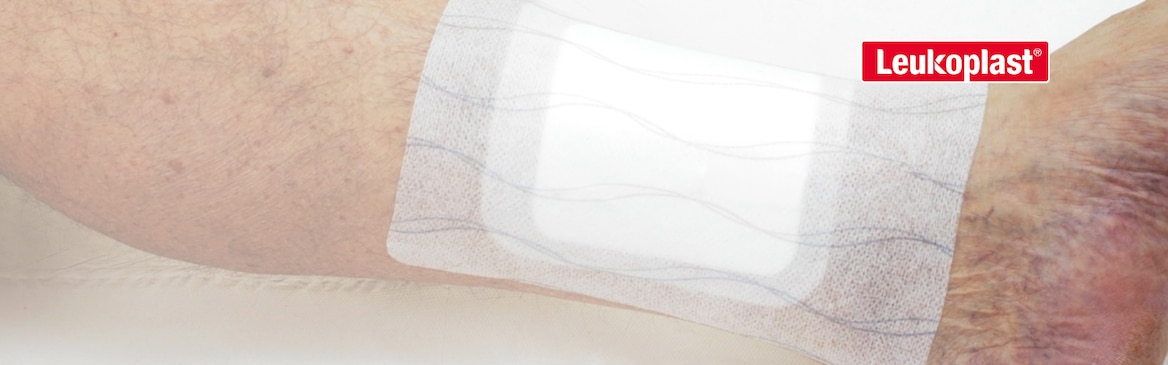
is a bacteria and fungi binding wound dressing, based on Sorbact® Technology, designed for the sacral area. It consists of a Sorbact® DACC™-coated wound contact layer, combined with an absorbent polyurethane foam that contains superabsorbent stripes and a border with silicone adhesive.
Intended Purpose
Indications: Cutimed Siltec Sorbact Sacrum is intended for use in the management of clean, contaminated, colonized or infected low to high exuding wounds, such as surgical wounds, traumatic wounds, pressure ulcers, diabetic foot ulcers and leg ulcers. It is intended to be used on superficial wounds.
Wear time: Should the clinical condition allow, the dressing can be left in place for up to 7 days.
Learn about the products' mode of action
Product benefits
Prevents and treats wound infections
Safe removal of bacteria, fungi and endotoxins
Sorbact Technology dressings irreversibly bind and remove bacteria, without the release of active agents to the wound1. Development of bacterial or fungal resistance is not expected.
Effective against most common resistant pathogens

In vitro tests show that Sorbact Technology dressings are able to inhibit the growth of the Top 5 WHO pathogens 2.
Special shape
Especially designed to fit the sacral area and provide good conformability, with silicone adhesive border that minimizes trauma to the surrounding skin.
Waterproof and breathable backing film
The film provides protection against external contamination and allows excess fluid to evaporate.
Product facts
Superficial
Infected
Low to high
How to use
1. Prepare the wound and surrounding skin according to local clinical practice. Ensure that the surrounding skin is clean and dry.
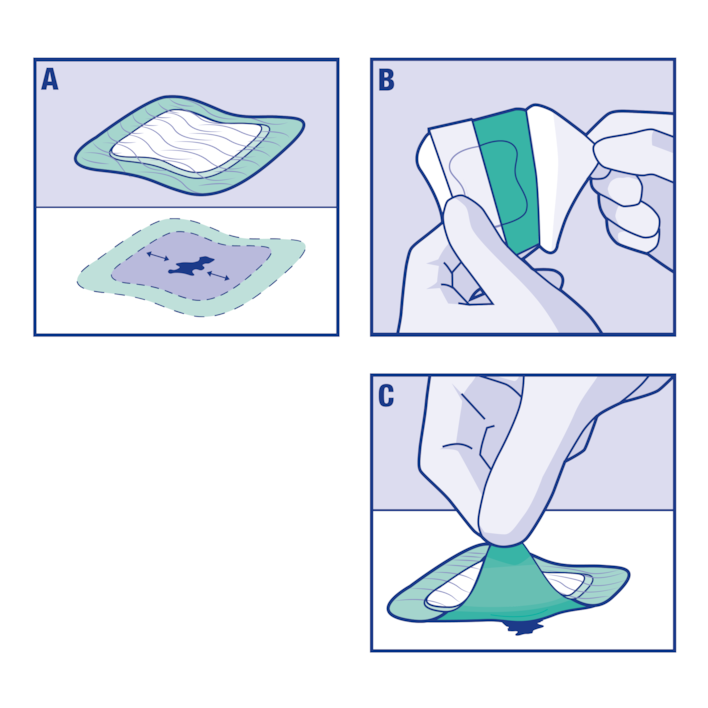
2. Select an appropriate dressing size and shape that covers the wound and is suitable for the anatomical location. The wound pad should overlap the wound margins.(A) Do not cut the dressing.
3. Remove the dressing from the peel pouch using an aseptic technique.
4. Remove the protective film (B) from the dressing and apply the dressing to the wound. Ensure that the Sorbact wound contact layer comes into direct contact with the complete wound surface to allow microorganisms to bind to the dressing.(C)
5. Avoid stretching the dressing.
6. The dressing change frequency depends on exudate levels and the overall condition of the wound and surrounding skin. Should the clinical condition allow, the dressing can be left in place for up to 7 days.
How to Remove
Gently remove Cutimed Siltec Sorbact B Sacrum from the wound and discard.
2. Select an appropriate dressing size and shape that covers the wound and is suitable for the anatomical location. The wound pad should overlap the wound margins.(A) Do not cut the dressing.
3. Remove the dressing from the peel pouch using an aseptic technique.
4. Remove the protective film (B) from the dressing and apply the dressing to the wound. Ensure that the Sorbact wound contact layer comes into direct contact with the complete wound surface to allow microorganisms to bind to the dressing.(C)
5. Avoid stretching the dressing.
6. The dressing change frequency depends on exudate levels and the overall condition of the wound and surrounding skin. Should the clinical condition allow, the dressing can be left in place for up to 7 days.
How to Remove
Gently remove Cutimed Siltec Sorbact B Sacrum from the wound and discard.
Product specifications
|
PRODUCT
|
REF
|
Dimensions
|
Pieces/box
|
Pcs. definition
|
Pieces/shipper
|
Boxes/shipper
|
Sterile
|
|---|---|---|---|---|---|---|---|
| Cutimed® Siltec® Sorbact® B Sacrum | 7325148 | 17.5 cm x 17.5 cm | 5 | FOLDING BOX OF 5 DRESSINGS | 50 | 10 | Yes |
| Cutimed® Siltec® Sorbact® B Sacrum | 7325149 | 23 cm x 23 cm | 5 | FOLDING BOX OF 5 DRESSINGS | 50 | 10 | Yes |
Medical References
1 Husmark J et al. Antimicrobial effects of bacterial binding to a dialkylcarbamoyl chloride-coated wound dressing: an in vitro study. J Wound Care. 2022;31:560-570.
2 Husmark J et al. Antimicrobial effect of a DACC-coated bacteria-binding wound dressing against WHO pathogens. EWMA. November 18-19, 2020, virtual conference (EP006).